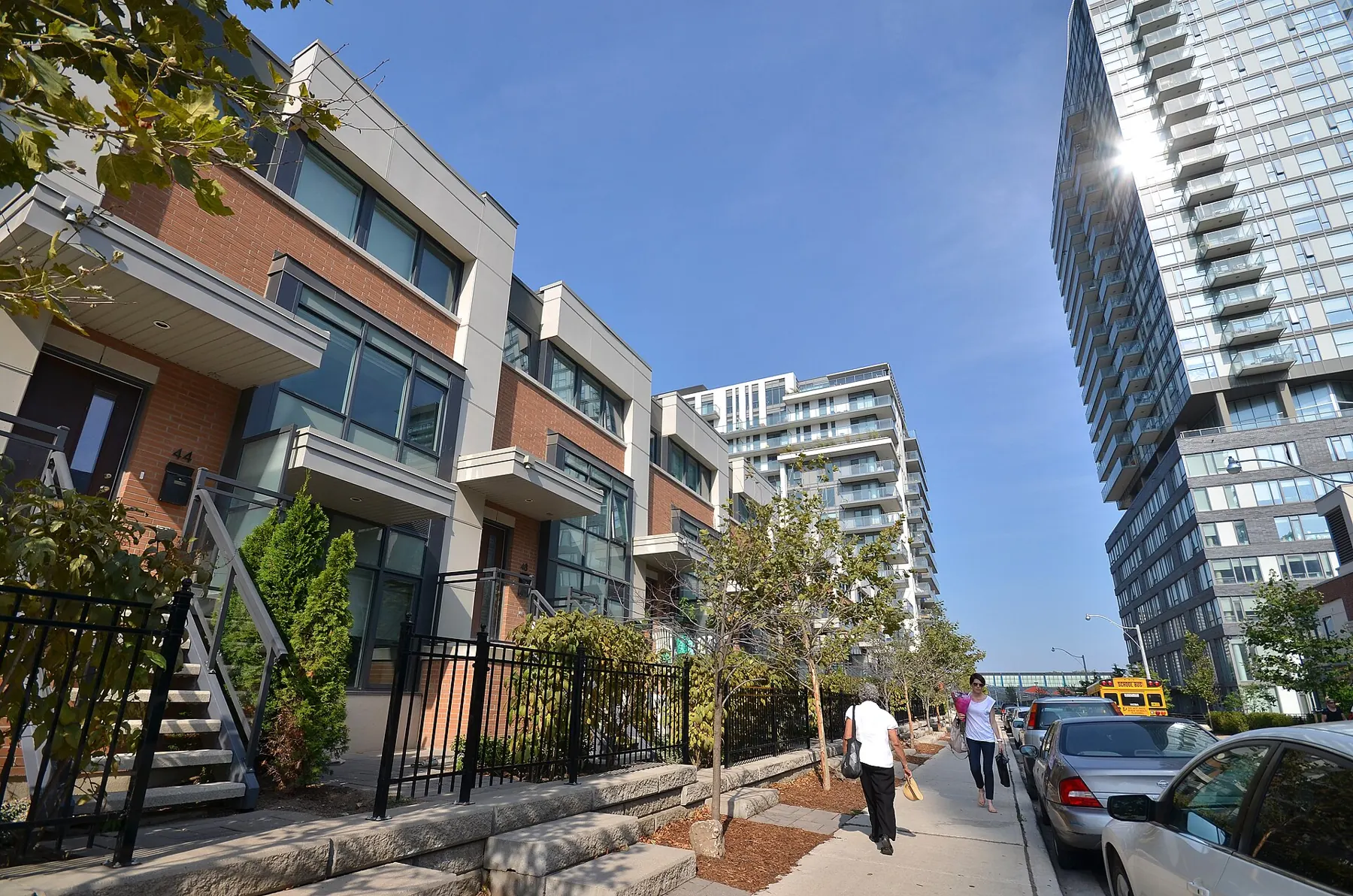
Places we buy in this region: Old Toronto, East York, York, North York, Scarborough, Etobicoke.
Your buyer pays two land transfer taxes
In the rest of Ontario, a buyer pays the provincial land transfer tax. In Toronto they also pay the city's Municipal Land Transfer Tax, which has applied on top of the provincial tax since 2008. Since April 1, 2026, the city's rates climb above the provincial ones for homes over $3 million, reaching 8.6% on the part of a price over $20 million.
As the seller you do not pay either tax. But a buyer who must find roughly double the transfer tax in cash has less left for the price or the renovation. That is one reason houses needing major work can sit longer in Toronto than the headline market suggests.
An empty house can cost 3% a year
Toronto's Vacant Home Tax is 3% of the property's assessed value, and every owner of a residential property must file an occupancy declaration each year, even if they live in the house. There are exemptions, including one for the death of an owner, which covers the year of death and the following two years, and one for a property whose ownership fully transfers with a closing in that tax year.
For an estate trustee holding an empty house, the timing of those exemptions matters. Missing the declaration can trigger the tax even when an exemption would have applied, so make sure someone files it.
What Toronto houses tend to need
Much of the older stock in the east and west ends is semi-detached and row housing from the early twentieth century, often with original knob and tube wiring in the walls, galvanized or lead water lines, and stone or block foundations that let in water. Further out, Etobicoke and Scarborough have streets of post-war bungalows with original furnaces and oil tanks that some insurers will not cover until removed.
Heavy summer storms have flooded basements in many parts of the city. A finished basement with a history of water is one of the most common reasons a Toronto house fails to sell at its list price.
Before you sell in Toronto
- File the Vacant Home Tax declaration for the year, occupied or not.
- Find out whether the house has knob and tube wiring or an oil tank; buyers' insurers will ask.
- If there are tenants, read our guide on N12 and N11 notices before promising vacant possession.
- Ask your lawyer about any work orders or open permits on the property.
Selling a Toronto house that needs work, has tenants, or sits empty? Ask for an offer